Career Advice for Job Seekers
17 things communications majors should do in December to help their 2026 job search


December is not the off-season for communications majors. It is the pre-season. While most students are taking a break, you have a strategic window to outpace the competition for 2026 roles. At College Recruiter, we see that the most successful candidates use this month to bridge the gap between academic theory and the practical needs of a fast-paced agency or corporate team. By acting now, you move from being just another student with a degree to a professional who understands how to deliver a clear message.
The communications market is crowded. Employers do not just hire degrees; they hire people who can prove they get results. You need to translate your coursework into measurable impact that a hiring manager can see. This guide outlines seventeen direct ways to build your professional profile and expand your network before the January rush. Taking these steps today ensures you are already vetted and top-of-mind when the spring recruiting cycle begins.
- Publish Original Research in a Niche
- Choose One Lane and Signal Fit
- Send Concise Project Packets to Priority Employers
- Produce Tailored Samples for Chosen Companies
- Audit Online Reputation and Control First Impressions
- Apply Now Despite Listed Experience Requirements
- Assemble a Brag Doc and One-Pager
- Create Sharp Case Studies that Show Rigor
- Sharpen and Project Your Professional Voice
- Refresh Work Samples and Initiate Targeted Outreach
- Develop a Proof Portfolio Tied to Impact
- Prioritize Daily Interview Practice
- Earn High-Value Certifications Beyond the Degree
- Cultivate Relationships and Ask for Advice
- Favor Substance over Resume Polish
- Clarify and Communicate a Cohesive Career Story
- Expand Network and Strengthen Digital Presence
Publish Original Research in a Niche
I’ve built ilovewine.com from scratch into a platform with 500k followers, so I’ve learned what catches attention in crowded markets. Here’s what worked for me when I transitioned from digital strategy to wine journalism: I created content nobody asked for but everyone needed.
In December 2015, I spent my “downtime” writing three deep-dive articles about wine festival economics — analyzing attendance data from LAWineFest and others, breaking down sponsorship models, interviewing festival directors like Emily Kaufmann about their communication challenges. I published them in early January when event organizers were planning their year. Two festival companies reached out within a week asking if I wanted to consult. One became my first major client contract.
The specific move: Pick one niche topic in communications that interests you (crisis response, community engagement, content distribution — whatever), then produce one killer piece of original research or analysis in December. Interview three professionals about a gap they’re seeing, compile actual numbers if you can find them, publish it somewhere visible by January 2nd. When those same people start hiring or expanding teams in Q1, you’ve already proven you can deliver insights they need before they knew to ask for them.

Choose One Lane and Signal Fit
December is the smartest month for communications majors to hone their focus. Communications is a broad field, and early in the year those generalists aren’t likely to be rewarded by hiring managers. They react to stark indicators of fitting. December is the time where there are fewer candidates, but recruiters are preparing their Q1 hires. Just spend a month auditing your experience and shaping it into one lane (internal comms, PR analytics, brand storytelling, or content strategy).
Here is what that looks like in real life. In December, a senior I wrote with her heart set on brand communications but a series of scattered internships. In only three weeks, she rewrote two class projects as brand case studies, updated her LinkedIn headline with exact job titles she wanted and emailed five alumni asking for specific answers about brand teams. Two of those alumni forwarded her resume internally in January. She was interviewed in early February and began in March. The work wasn’t flashy. It was purposeful and done at a time when most students were already checked out mentally.

Send Concise Project Packets to Priority Employers
December will be good to send a proof of work packet, not just lots of generic job apps on a communications major’s resume. A communications major creates a mini pr campaign for their top three employers by the end of 2025. The mini pr campaign is a two-page narrative map with a 300-word draft of a press release and two outreach emails for a beat reporter and a podcast host. Because the timeline is tight, each packet is created in 2 hours and revised after a 15-minute read aloud.
Most candidates submit polished resumes and class projects, but hiring managers are likely to move on your resume quicker if it has something related to their current news headlines or internal priorities. The resume packet is sent directly to the communications director of the company with a quick note which invites a 20-minute phone call and clearly states an achievable success goal, for example, getting three earned media mentions within 30 days.
That January 2026 deadline makes your job search a referral conversation because recipients of this work will be forwarding the good work internally to other employees who may be able to help. This internal referral will get you out of the queue and into job interviews sooner than you would have been otherwise in 2026.

Produce Tailored Samples for Chosen Companies
The single most important thing communications majors should do in December is stop mass-applying to job postings and instead spend the month building a portfolio of real work that demonstrates actual skills, not just coursework. Specifically, identify 3-5 companies you genuinely want to work for, research their current communications challenges by analyzing their social media engagement, press coverage, website messaging, or recent campaigns, and create unsolicited work samples that solve real problems they have right now. For example, if a target company’s LinkedIn posts get minimal engagement, create a month-long content calendar with sample posts optimized for their audience, or if their recent product launch got mixed press, write a mock crisis communications plan showing how you’d reframe the narrative, or if their website copy is outdated, rewrite three key pages with before/after comparison. Then in January, don’t send a generic cover letter. Instead, reach out directly to their communications director on LinkedIn with a personalized message:
“I’ve been following [Company] and noticed [specific observation]. I created this [sample work] as a case study. No strings attached, it’s yours to use if valuable. I’d love to discuss how I could bring this type of thinking to your team.”
This approach works because it demonstrates initiative over credentials, shows you can produce actual deliverables not just talk about theory, proves you understand their specific business not just “communications in general,” and makes you memorable when hundreds of other candidates are sending identical resumes.
The effort required is significant, spending 40-60 hours in December on 3-5 targeted applications, but the return is dramatically higher than sending 100 generic applications.
You’re not asking for a favor; you’re demonstrating value before you’re even hired, which is exactly what separates candidates who get offers from those who get form rejection emails.

Audit Online Reputation and Control First Impressions
I’ve worked with thousands of professionals whose careers were damaged by their digital footprint, and here’s what nobody tells communication majors: employers will Google you before they call you. In December, do a reputation audit on yourself. Search your full name in quotes and check what shows up on page one — because that’s exactly what hiring managers will see in January and February when they’re filling Q1 roles.
If your search results are empty or show the wrong person, you’re invisible. I’ve seen companies skip candidates entirely because they couldn’t verify their existence online or got confused with someone else. Grab a simple personal domain with your name, put up a one-page site with your bio and contact info, and make sure it ranks. This isn’t about being fancy — it’s about being findable and controlling your first impression.
The other thing: go through your privacy settings on every social platform and either lock down or delete anything that contradicts, “I’m a communications professional.” I’ve investigated backgrounds for political figures and executives for nine years, and I can tell you — one screenshot of a questionable post can kill an opportunity before you ever get the interview. December is when you clean house, not March when you’re trying to explain it to a recruiter.

Apply Now Despite Listed Experience Requirements
Apply to jobs now, even if they say “experience required.” December is when hiring managers post roles they need to fill in Q1. Entry-level positions get disguised as “1-2 years’ experience” because they’re trying to filter out people who aren’t serious.
Apply anyway. Write a cover letter that addresses what you bring to the table. Talk about projects you’ve managed, campaigns you’ve contributed to, or relevant coursework that taught you skills they need. At Nextiva, we’ve hired communications grads who applied to roles that asked for experience. They made a case for why they were ready. They demonstrated they understood our business and how they could contribute.
Companies are desperate for good communicators who can write well, think strategically, and understand customer needs. If you can show that, experience requirements become flexible. Don’t let job descriptions intimidate you out of applying. December is when those roles get posted. Be there when they’re looking.
Most grads make the mistake of waiting until they feel “ready” or until they meet every single requirement listed. That’s a trap. Job descriptions are wish lists, not hard requirements. Hiring managers know they might not find someone who checks every box. They’re looking for people who can learn and grow into the role.
Use December to your advantage. Competition is lower because everyone assumes companies aren’t hiring during the holidays. They’re wrong. Budgets get approved. Positions get greenlit. Hiring managers are reviewing applications and scheduling interviews for January. If you apply in December, your resume lands on their desk when they’re actively looking. If you wait until January, you’re one of hundreds applying to the same role.
Take the time to research each company. Understand what they do and who they serve. Customize your application to show you’ve done the homework. Generic applications get ignored. Thoughtful ones get interviews.

Assemble a Brag Doc and One-Pager
In December, build a “brag doc” and turn it into a one-page portfolio. Most comms majors forget their wins the moment finals hit. Write down 8-10 proof points: posts you wrote, emails you drafted, events you promoted, and what happened next (clicks, sign-ups, turnout, shares). Even small numbers help.
Then pull three into short case studies: goal – what you did – result. One thing I always check in candidates is whether they can explain the impact in plain words. This makes your resume stronger and faster before January hiring ramps up.

Create Sharp Case Studies that Show Rigor
December is the perfect time to stop scrolling job boards, since budgets for next year are probably still in flux for new full-time employees, and start building something tangible you can reference in the new year. My biggest advice for communications majors is to create a few strong case studies, even if they’re self-initiated. Break down a campaign you admire, analyze a brand’s messaging, or mock up a strategy. It shows how you think, which matters more than titles early on in your career. Stress your soft skills and logic, as that is what is going to land you a job rather than anything else when you’re coming straight from college.

Sharpen and Project Your Professional Voice
One of the most important things communications majors should do in December is audit and activate their personal voice.
December isn’t just downtime; it’s positioning season. While others are waiting for January job postings, smart communicators are reviewing how they show up professionally. That means looking critically at your LinkedIn profile, your portfolio, your video presence, and even how you talk about your skills out loud.
If you can’t clearly articulate the value you bring in a 30-second introduction, a hiring manager won’t discover it for you.
Use December to refine your narrative. Practice explaining what you do, who you help, and why it matters. Record yourself answering common interview questions. Update your digital footprint so it reflects not just what you studied, but how you think, lead, and communicate.
Early 2026 jobs won’t go to the most qualified on paper. They’ll go to the candidates who communicate confidence, clarity, and readiness *before* the competition wakes up in January.
In communication, your voice is your advantage. December is when you sharpen it.

Refresh Work Samples and Initiate Targeted Outreach
Try to update your portfolio and start reaching out to people in companies you admire … right now. Instead of waiting until January to start job searching like most students do, the most efficient students start in December when the job market is quiet.
To get started, do the following:
1. Refresh your portfolio or personal website to add recent quality projects that you are proud of, including social media campaigns, videos, presentations, or other writing samples.
2. On your favorite job searching site, make a target list of 20 companies you are excited to work for, then on LinkedIn, search for employees that work at those 20 companies.
3. Send LinkedIn requests to those people with a personalized message that includes your admiration for their work and explains you’re about to graduate and would like 15 minutes for a quick chat with them about their career.
4. Starting in December, apply for job postings you may be qualified for that were issued recently, and make a habit to be the most active ahead of the tide of applicants in January.
January is when everyone floods the job market. By starting now, you will have conversations happening and interviews scheduled while others are just waking up. Remember, early action = better opportunities.

Develop a Proof Portfolio Tied to Impact
I generally don’t like to just say surface-level stuff, so let me give you the root cause analysis. Communications majors struggle in job searches not because they lack skill, but because employers cannot see how those skills translate into outcomes.
One of the most important things communications majors should do in December is build a small proof portfolio tied to real business impact. Not class assignments, but concrete examples like a rewritten landing page with conversion logic, a mock crisis response, a content calendar tied to growth goals, or a before-and-after narrative showing how messaging changed behavior. I once worked with a student who spent December turning three school projects into tight one-page case studies. She did not apply to more jobs than her peers, but she started interviews weeks earlier.
Why this works is simple. December is quiet, and hiring managers plan in that window. When January hits, they gravitate toward candidates who already look operational, not theoretical.
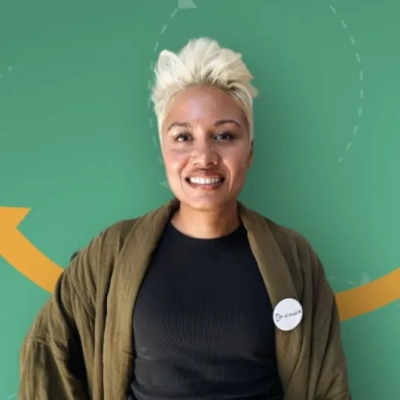
One practical tip is to frame every example around clarity and ownership. That same principle quietly shows up in systems like DianaHR, where communication is treated as an execution tool, not just expression.
Prioritize Daily Interview Practice
December is the best time for communications majors to practice interviewing. A great CV can get you in the room, but it’s the interview where many people fall flat. I’ve seen so many candidates bomb interviews because they were unable to articulate their thinking or even respond confidently to simple questions.
An interview is where you demonstrate how you think, communicate, and respond to pressure. That’s even more important for communication positions. Credentials alone cannot be the answer. If you’re tripping up on your words or second-guessing yourself, it undermines everything implied by your resume.
Spend 10-15 minutes each day rehearsing answers to common questions, particularly behavioral ones. Record yourself, run through practice interviews, and get used to speaking clearly on camera. You don’t need to sound rehearsed, but you do need to sound confident.

Earn High-Value Certifications Beyond the Degree
This is a great question because it is the biggest problem with communications degrees across the United States. Communications majors have to realize that they are going to be jack of all trades when they’re moving into their first position, they have to understand content, public relations, how to communicate, video, ads platforms, and SEO. Currently 99% of degree plans in colleges at the undergraduate level in the United States do not count for students gaining additional certificates and expertise in addition to the learning and education inside of their degree plan. For example, HubSpot has a number of certificates and topics that you can touch on outside of what you’re learning in the classroom. If a student brings a number of HubSpot certificates plus their degree they’re of significantly more value because I know then that they understand how to do certain things based on what they learned from HubSpot and getting those degrees. Most of the professors don’t understand the need and the value of the additional certifications. For example, if you are teaching Google ads, but the student does not get Google keyword search, display, and apps certified, then they can’t run Google ads for my clients inside of our master account. That training alone will take them a number of days to complete and then I still have to train them on how to use the platform. If you want to stand out as a student from the competition, then you have to have these other certifications under your belt in addition to your degree. On my LinkedIn profile, we have built a spreadsheet of recommended courses by subject matter with the webpages of those courses, and then listed them in prioritized order for which should be completed in what order to help these students be more prepared for the workforce. I’ll be glad to share that in a further discussion.

Cultivate Relationships and Ask for Advice
I think one of the biggest traps a communications major can fall into is just mass sending out resumes. Instead of doing that, see what kind of relationships you can build or nurture. Maybe reach out to some old professors or internship supervisors or just anyone that might be a good connection for you. Make sure to let them know that you’re ready to start looking for a job and then see if they can offer you any advice. Notice that I didn’t say to ask them for a job. You’ll notice that this method gets you much better results than just asking for a job. And you’ll naturally end up getting referrals for open positions that are a good match for you. Of course, you’ll want to make sure that your LinkedIn and your resume are polished and ready for hiring managers. It also won’t hurt to have a publicly available portfolio online. This all puts you in a great position to land an awesome communications job.

Favor Substance over Resume Polish
The best thing they can do in December is make proof, not polish their resumes. I’ve seen hiring managers move quickly in January and February, and they hire people who already show how they think. That means making clear examples out of class projects, internships, or work for campus organizations. A short Google Doc with real writing, pitches, social media posts, or campaign breakdowns is always better than a perfect GPA.
One useful step. Choose three things, clean them up, and give them some background. What was the goal? What did you do? What changed? That’s all. You’re ready when recruiters ask, “Can you show me your work?” That’s usually what makes the early offers stand out.

Clarify and Communicate a Cohesive Career Story
December offers a prime opportunity for communications majors to refine and express their professional story, ideally before the job market picks up steam again in January.
This month is particularly advantageous because things tend to slow down. Hiring processes decelerate, and inboxes are less cluttered, providing the perfect environment to focus on what many candidates overlook or rush through.
Establish your focus: Define what type of communicator are you aiming to be — a strategic storyteller, a brand architect, a media relations expert, or an internal communications advisor? Employers value clarity above all.
Ensure consistency: Revise your resume, LinkedIn profile, and portfolio to present a cohesive narrative, highlighting tangible results and measurable achievements. Translate your coursework into tangible skills: Instead of just naming classes, highlight your capabilities — audience analysis, message testing, content strategy, and crisis response, for instance.
Refine your narrative: Get comfortable delivering your personal pitch in half a minute. If it sounds genuine and effortless, it’ll resonate.
Recruiters move quickly come January. Those who can articulate their value with confidence, precision, and sincerity immediately capture attention. In communications, how you present yourself is frequently the initial demonstration of your readiness.

Expand Network and Strengthen Digital Presence
My advice for communications majors in December is to focus on building and activating their professional network. The holiday season is a unique opportunity: people are in a reflective, giving, and connecting mindset, which makes them more open to informational interviews, mentorship conversations, and sharing job leads. Reach out to alumni, former interns, professors, and professionals in your target industry with thoughtful messages — don’t just ask for a job; ask for advice, insights, or feedback on your portfolio.
At the same time, polish your digital presence. Update LinkedIn with your latest projects, resume highlights, and even small campaigns you’ve executed, so you’re discoverable when recruiters start planning early 2026 hires. Combining genuine networking with a strong online presence in December sets the stage to be top-of-mind when opportunities arise, giving you a competitive edge in the new year.

Related Articles
- 25 things business administration and management majors should do in December to help with their 2026 job search – College Recruiter
- 17 thing marketing majors should do in December to help their 2026 job search – College Recruiter
- 10 things accounting majors should do in December to help their 2026 job search – College Recruiter
New Job Postings
Advanced Search
