Advice for Employers and Recruiters
We know Gen Z won’t stay just for a paycheck, but here’s why they will


Employers who want their newest workers to stay need to understand that what kept previous generations engaged does not necessarily resonate with today’s early career talent. Gen Z brings different expectations to the workplace and they are not shy about leaving when those expectations are ignored. They look for clarity about how decisions are made, they want to work for organizations that communicate openly, and they notice when leaders say one thing but do something entirely different. A strong paycheck still matters, but it is no longer enough to make them feel valued or willing to commit for the long term.
This generation looks for purpose in their work, wants to know how their efforts connect to something larger, and expects flexibility that fits how they live and learn. These priorities challenge employers who grew comfortable with retention strategies built around perks rather than genuine connection. The companies that will keep their Gen Z employees are the ones willing to rethink how they lead, listen, and create room for growth. When organizations deliver clarity, trust, and meaningful work, they are far more likely to build loyal teams rather than constantly scramble to replace the talent they just trained.
- Gen Z Stays When Companies Invest With Them
- Gen Z Offers Unprecedented Honesty About Intentions
- Gen Z Seeks Meaningful Impact Over Hierarchy
- Gen Z Rejects Traditional Order Taker Roles
- Gen Z Optimizes Skill Accumulation Over Security
- Value Alignment Central to Gen Z Retention
- Transparent Communication Builds Gen Z Loyalty Fast
- Gen Z Requires Strict Time Boundaries Today
- Gen Z Wants Mentors Not Just Managers
- Focus on Values Alignment Over Career Advancement
- Transparency and Autonomy Matter Most Now
- Wellbeing and Purpose Drive Gen Z Loyalty
- Gen Z Seeks Immediate Impact Clarity Daily
- Continual Purpose Driven Growth Retains Gen Z
- Participation Beats Perks for Gen Z Retention
- Gen Z Expects Active Brand Participation Rights
- Prioritize Flexible Work and Clear Mission Statements
- Gen Z Demands Purpose and Flexibility Upfront
Gen Z Stays When Companies Invest With Them
In my opinion, one of the biggest shifts in retaining Gen Z versus Millennials is how differently they interpret loyalty. I really think it should be said that Millennials grew up believing you stay if the company invests in you, but Gen Z stays only if the company invests with them, meaning co-creation, transparency, and a voice at the table.
I once worked with a Gen Z analyst named Neha who shocked her manager by saying she wasn’t leaving because of pay or workload; she was leaving because “decisions happen to me, not with me.” To be really honest, that line hit me harder than any exit interview I’d ever conducted. She didn’t want perks; she wanted proximity to meaningful decisions.
What I believe is that this changes the retention playbook entirely. Gen Z expects psychological safety, clear communication, and leaders who operate like coaches rather than gatekeepers. They want growth that feels personalized, not templated.
We really have to see the bigger picture here: retaining Gen Z isn’t about offering more; it’s about including them more, and once companies adjust to that co-ownership mindset, their loyalty becomes surprisingly strong.
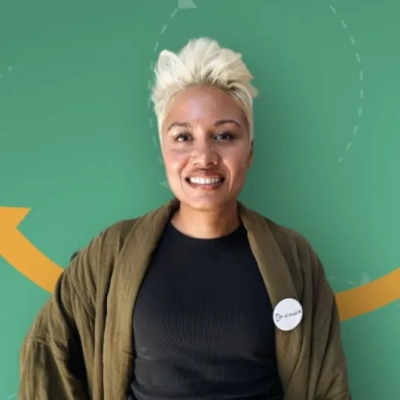
Gen Z Offers Unprecedented Honesty About Intentions
One of the biggest shifts I’ve seen when it comes to retaining Gen Z versus older generations is how open they are about their intentions. When I was hiring Millennials years ago, most would dance around the topic of tenure or say what they thought we wanted to hear. Gen Z, on the other hand, tends to be far more direct. They’ll tell you upfront if they see the job as a two-year stepping stone or if they’re exploring multiple paths at once.
And honestly, that level of candor is refreshing.
At first, it can catch hiring managers off guard. Some think it reads as prematurely disloyal. But in my experience, it’s an opportunity. If you’re willing to have an honest conversation early about what they want from the role and how they define growth, you can plan for that reality instead of being surprised later.
The key here is asking. With Gen Z, you will get a great level of transparency, but only if you approach the candidate with candor. Come in authentically, skipping euphemisms and buzzwords, and you’ll find genuineness instead of polished perfectionism. Now, that is something you can work with: real talk about retention from Day One.

Gen Z Seeks Meaningful Impact Over Hierarchy
I’d say that the biggest difference I’ve personally noticed with Gen Z is that they don’t necessarily just want to climb a ladder; they want to build something meaningful. This isn’t exactly a new concept, but one that I see as particularly pronounced with this generation. They’re curious, values-driven, and quick to leave if a role feels stagnant or inauthentic. You’ll see a lot of them with a lot of short stints on their CVs, which I actually consider the norm at this point. What I’ve learned is that transparency and trust go further than structure. Giving people ownership early makes them feel invested. They care less about hierarchy and more about having a voice. It’s refreshing, honestly. When they see their work making an impact, that’s what keeps them around.

Gen Z Rejects Traditional Order Taker Roles
I manage a team of 15 field reps plus office staff, and the biggest difference I’ve seen with younger workers is they won’t tolerate being treated like order-takers.
Millennials would generally accept top-down management — I tell you what to do, you do it, we’re good. Gen Z workers in my experience want to understand the “why” behind decisions and actually have input. They’ll straight up quit if they feel like they’re just executing orders without context or ownership.
I learned this the hard way. Early on, I was the bottleneck — my team would bring me problems, I’d solve them, rinse and repeat. That worked fine with some of my older staff who were happy to defer to me. But younger team members got frustrated fast. They didn’t want to wait for me to solve everything. They wanted autonomy.
So I restructured how we operate. Now my team can’t bring me problems without proposed solutions. If something breaks, they need to come with options — here’s the vendor, here’s the cost, here’s when we can schedule it. I gave them ownership over specific areas of the business and actual decision-making power.
The other thing: transparency matters way more now. I moved all our communication to Slack with open channels instead of DMs. Everyone can see what’s happening across the business. Younger workers don’t want to be kept in the dark or feel like decisions are being made behind closed doors. They want visibility into how the business runs.
It’s also about flexibility. I manage my business remotely from Hawaii while my team operates in Dallas. That kind of setup only works if you trust your team and give them real autonomy. Micromanaging doesn’t work anymore, especially with younger workers who grew up with technology and expect to be able to work independently.
The upside is when you give Gen Z workers ownership and transparency, they’re incredibly resourceful. Our project completion rate went from under 50% to over 80% once I stopped being the person everything depended on and let my team actually run things.

Gen Z Optimizes Skill Accumulation Over Security
The biggest retention shift with Gen Z is they optimize for skill accumulation speed over job security—completely opposite from Millennials who value stability and benefits.
Our Gen Z hires ask different questions than Millennials during interviews. Millennials ask about health insurance, PTO, and growth trajectory. Gen Z asks, “What will I learn in the first six months?” and, “How fast can I take on new responsibilities?”
They’re not planning to stay long-term. They’re planning to extract maximum learning before moving to their next opportunity.
Traditional retention tools don’t work. Better benefits? They don’t care. Clear career ladder? That assumes they want to climb it here instead of somewhere else.
What keeps our Gen Z team members? Rapid skill development through real challenges and visible portfolio-building opportunities.
We retain Gen Z employees by giving them complex projects that expand their capabilities quickly. Our 23-year-old engineer values shipping features used by real customers more than any salary increase.
Millennials often view job changes as risky or disloyal. Gen Z sees staying too long in one role as risky — they’re afraid of skill stagnation hurting their market value.
One Gen Z team member told me directly: “I’ll stay as long as I’m learning faster here than I could elsewhere.” Brutally honest, but this clarity helps us design retention strategies that actually work.
We stopped selling “join our family” culture. Gen Z sees through that immediately. Instead we promise, “You’ll gain skills that make you more valuable everywhere, including here.”
We also document their contributions publicly. GitHub commits, case studies, testimonials they can use in their next role. We’re helping them build portable proof of capabilities.
Our Gen Z retention actually improved once we stopped pretending they’d stay forever and started maximizing their growth while they’re here.

Value Alignment Central to Gen Z Retention
In my experience leading operations and HR in fast-growing companies, the biggest shift with Gen Z retention is how central value alignment has become and how early they test it. They look at who the company serves, how leadership responds to hard trade-offs, and how colleagues are treated when it is inconvenient to live the values. When policies, decisions, and daily behavior support the same ethical story, they lean in and often bring a lot of energy. When there is a visible gap, they quietly disengage and move on. For many Millennials and older generations, stability, pay, and career progression could compensate for a culture that felt average. With Gen Z, I believe retention starts with integrity, and everything else only works if that foundation is real.

Transparent Communication Builds Gen Z Loyalty Fast
Retention is changing as Gen Z is very attentive to how clearly and openly a company communicates the basis for all of its decisions. Millennials usually remained engaged over time with predictable titles and defined career paths. However, Gen Z’s loyalty is built on an understanding of why a target was established, how the budget will be adjusted if that target is missed, and how priorities will shift. While they are able to manage delays or changes in a decision-making process when communicated clearly by leadership, Gen Z will leave much quicker than other generations if the communication lacks clarity and updates are vague.
In our space, a company changed a single meeting structure format and saw turnover drop by nearly 25% in a single quarter. The reason for this decrease in turnover was that leaders were sharing specific timelines, ownership, and project priorities vs. general information about the meetings. This transparency reduced confusion and generated additional time each week for Gen Z employees, which ultimately led to their feeling included and willing to remain with the organization.

Gen Z Requires Strict Time Boundaries Today
Many think Gen Z wants all the flexibility in the world to do what they want at any time; they actually have much stricter expectations around time than previous generations did. In order for companies to retain Gen Z employees, it’s essential that there be clear boundaries around when you are allowed to work and when you can take your evening back from the company.
Companies are retaining Gen Z employees because of the clear time boundaries that they’ve put in place. Companies are also setting firm boundaries around work hours, like no internal messaging after 18:00, so that employees can enjoy their evenings free from work obligations. Previous generations were willing to push themselves well past what would now be considered reasonable hours of work. However, this trend has begun to fade, and instead of working long hours, many Gen Z employees will disengage once this pattern starts to emerge.
In the last year, I have seen retention increase by nearly 25% in teams that established defined “availability” windows and rotated weekend coverage duties, so only two individuals worked a four-hour block of time together. This provided the employees with a sense of value of their time and helped keep them engaged without causing the burnout associated with working extended hours that many previous generations of employees were accustomed to.

Gen Z Wants Mentors Not Just Managers
The biggest change we’ve noticed is that Gen Z doesn’t want their managers to merely manage them. Our youngest hires have proven significantly more loyal and engaged when they feel their manager is acting as a mentor.
With this particular group, our default mode is often more like career advice than management in the traditional sense. We make sure they get one-on-ones to talk about what skills they’re developing. We encourage them to work on side projects. We talk openly about what they can do next, even if it’s not with us. One of our Gen Z engineers wanted to use Magic Hour to prototype an AI-powered video effect he was interested in that we didn’t plan to build. We let him. Not only did this help him develop skills he wanted to grow, but it also went viral on TikTok and thus re-energized the group.
So if you compare this with what you have to do to retain Millennials, you see what’s changing. Millennials wanted flexible work and to feel it had meaning. Gen Z wants their manager to be their mentor or they’re gone. We’ll never see complaints about them being “used as a resource” again. After we started focusing on mentorship and nonlinear advice about career paths, retention among our Gen Z team significantly improved.
If you want to retain this generation, you have to change from pure management hierarchies and actually invest in people as people. Meaning not only will they stay longer, but you’ll see all sorts of creative surprises you can’t get in a command-and-control environment.

Focus on Values Alignment Over Career Advancement
One of the main differences when it comes to effectively attracting Gen Z, rather than previous generations such as millennials, is the focus on aligning goals and values. Gen Z has demonstrated that they are inclined to take jobs not necessarily, if at all, as career steps with the priority of progression or advancement, like Millennials, but instead look to work in places that represent their own beliefs and create social good.
In the hospitality sector, for example, young employees want to understand and be assured that the company treats its employees fairly, the company practices sustainability, and the community is a positive beneficiary of their actions. These employees are more likely to remain with an employer that takes these commitments seriously than they are with an employer who provides a job that has stated benefits such as a promotion (i.e., job advancement) or wellness benefits.
Companies who are successful in adapting to the changing environment are mentioning the need for transparent communication, opportunities for contributing positively to the workplace, and a flexible work environment that acknowledges their own priorities. Additionally, recognizing their efforts and providing continuous feedback are important when retaining zillenials to provide a chance for learning. All of these changes are not accidental and become intentional structures that companies need to promote thoughtfully outside of standard employee retention systems.

Transparency and Autonomy Matter Most Now
The most significant change I have noticed in retaining Gen Z compared to Millennials is that they have a greater emphasis on transparency and real autonomy. While Millennials were looking for stability, growth opportunities, and a strong culture, Gen Z also wants these things. However, they are much more likely to stay when they feel genuinely involved in the decision-making process and are trusted to own a project early on.
In my experience, Gen Z does not respond well to rigidity or “because that’s how we have always done it.” They desire clarity on the “why,” not just the “what.” When I am transparent and share the business context, strategy, or even challenges, they engage instead of checking out. Gen Z employees thrive when allowed to work freely, choosing their tools, experimenting with workflows, and having the space to take initiative without micromanagement.
What has changed the most about maintaining their retention is that it isn’t about the pay or having a career ladder to advance anymore. For Gen Z, it is about feeling like their voice counts and their work matters. When they have transparency, autonomy, and a space to grow fast, they will remain, and they will likely deliver their best work.

Wellbeing and Purpose Drive Gen Z Loyalty
One thing I’ve noticed with Gen Z is that their loyalty depends more on wellbeing and purpose. Millennials just want a place to grow, but Gen Z wants growth with balance. They actually care about the culture in the workplace. Also, they want things like mental health support and like to feel the sense that their work has a real impact.
We learned this and have started to integrate mental wellness tools into our onboarding and feedback systems. This shows everyone that we take their mental health seriously. So far we see our younger employees give their best energy because they see we care about their headspace and try to manage their workload.

Gen Z Seeks Immediate Impact Clarity Daily
With Gen Z, there is no “slowly building buy-in over time.” They arrive eager to learn how their work has impact, and if they don’t receive clarity soon, they’re mentally elsewhere. I had a new hire who on day four, in a very polite way, asked, “So I get we are working on this project, but exactly how does this help our users?” That’s the question that would have taken Millennials months to get out. Gen Z isn’t spoiled; they’re just really intentional. You can either make those meetings meaningful, or you lose them.

Continual Purpose Driven Growth Retains Gen Z
One of the biggest shifts in retaining Gen Z compared with older cohorts like Millennials is the expectation for continual, purpose-driven growth. Gen Z wants to see a direct link between their daily work and a larger social or environmental impact, and they expect employers to provide clear pathways for skill-building and career progression that align with that purpose. While Millennials also value meaningful work, they tend to prioritize flexibility, work-life balance, and a stable benefits package. Gen Z, on the other hand, is more likely to stay with an organization that offers regular, transparent development programs, mentorship that ties personal values to business goals, and visible evidence that the company is acting on its stated mission. Without those purpose-aligned growth opportunities, Gen Z talent is prone to moving on quickly.
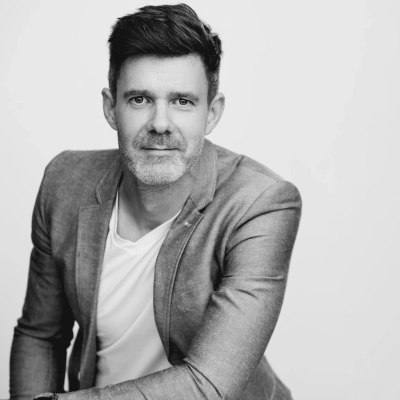
Participation Beats Perks for Gen Z Retention
Retaining Gen Z customers isn’t about points or perks; it’s about participation. They stay loyal to brands that invite them into the process through UGC, transparency, and shared values. In our campaigns at Blitz Rocket, we’ve seen Gen Z retention lift by over 20% when brands focus on community-driven content instead of transactional offers. Millennials want convenience; Gen Z wants connection.

Gen Z Expects Active Brand Participation Rights
The most significant shift that we see in retaining Gen Z versus Millennials is the expectation for active participation in the brand experience. Millennials value personalization and convenience, while Gen Z values two-way engagement. They prefer being able to co-create, having input in decision-making, and having visibility into what’s behind the brand. For the Gen Z demographic, retention is not built on polished messaging but through authentic engagement, community-created content, and meaningful ways for them to influence the brand they are engaging with. Companies that use a one-directional communication style will suffer, while brands that manage to draw Gen Z in using interactive, user-generated content or real-time feedback loops are sure to drive retention and loyalty significantly higher.

Prioritize Flexible Work and Clear Mission Statements
To retain Gen Z employees, employers could prioritize flexible and remote work options for their people, as well as have a clear mission and vision outlined. These are important because according to Zety.com data, 71% of Gen Z workers would take a pay cut to do meaningful work. In addition, their long-term career goals are to have a good work-life balance, to help make the world a better place, and to make a positive impact on the organization they work for. These goals lead to other additional ideas for retention including mentorship and professional development opportunities. In general, Gen Z workers have a preference for empathetic workplaces that are very people focused, which is a shift from older generations.

Gen Z Demands Purpose and Flexibility Upfront
Gen Z’s demand for flexibility and purpose-driven work is what sets them apart from their Millennial counterparts. Millennials have grown to appreciate these, but Gen Z expects them from the get-go. They’re not simply looking for employment; they want a position that aligns with their values and enables them to make a meaningful impact. Thus, to ensure active engagement of Gen Z workers, businesses must clearly communicate their mission, vision, and values; they must also show how every individual staff member fits into that bigger picture. Companies need to do more than just provide a paycheck and a respectful workplace. They must ensure that the employees have autonomy, purpose, and fulfillment in what they do.