Career Advice for Job Seekers
20 most popular jobs upon graduation for students majoring in civil engineering

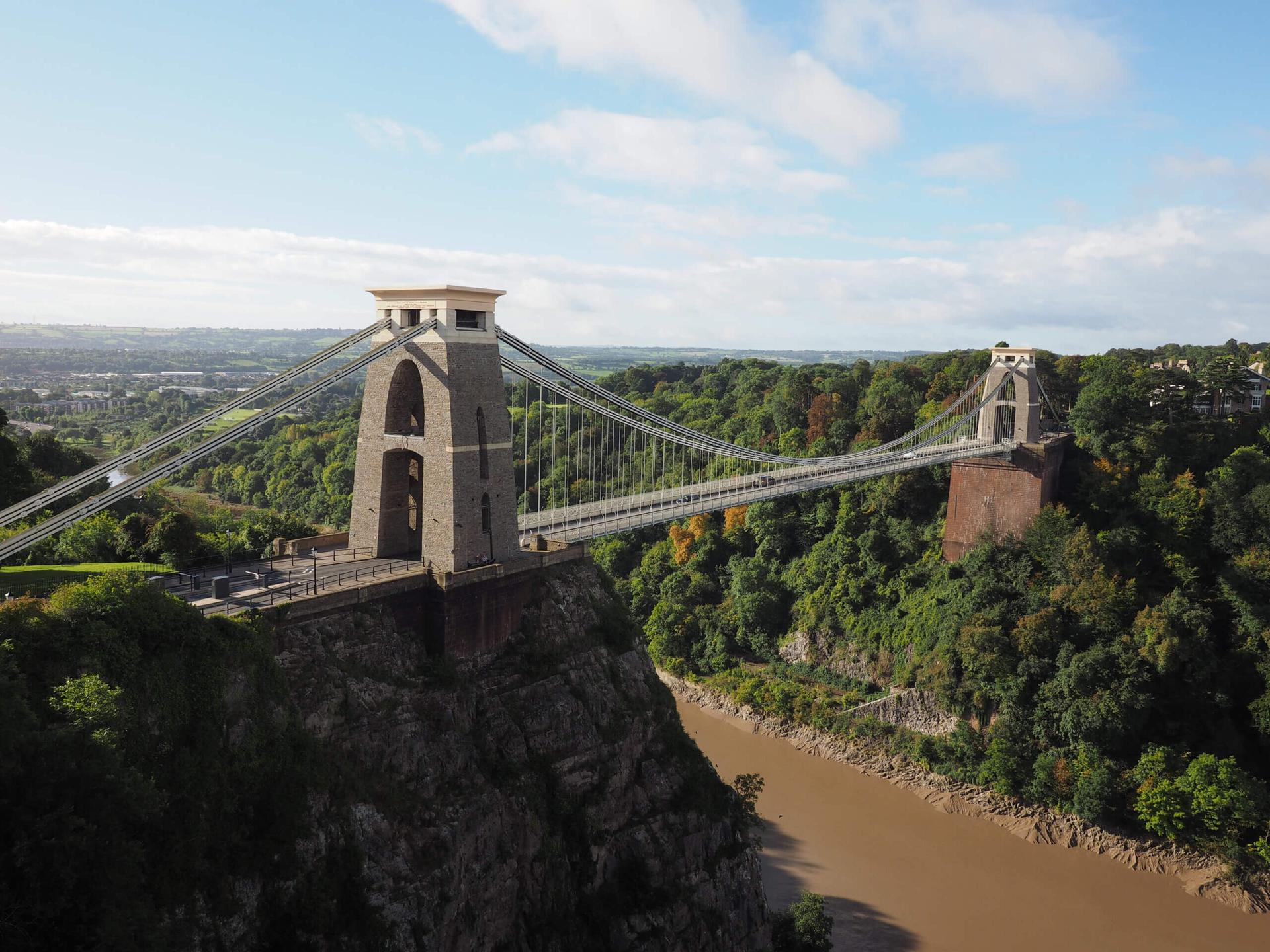
Here’s a focused guide to the 20 most popular jobs for graduates with civil engineering degrees. Civil engineering is one of the oldest and broadest fields, covering infrastructure, buildings, transportation, and environmental systems. Employers value civil engineering grads because you’ve proven you can apply math, science, and design thinking to real-world challenges that affect entire communities.
- Site Engineer
Managing day-to-day construction activities, coordinating crews, and ensuring projects stay on schedule and within specs. - Structural Engineer (junior level)
Designing and analyzing the strength and stability of buildings, bridges, and other structures. - Transportation Engineer
Planning and designing roads, railways, airports, and traffic systems to move people and goods efficiently. - Water Resources Engineer
Designing water supply, stormwater, flood control, and wastewater treatment systems. - Geotechnical Engineer (entry-level)
Working with soil and rock mechanics, foundations, and earthworks for construction projects. - Construction Project Engineer
Overseeing schedules, budgets, and contractors; serving as the link between design teams and field crews. - Environmental Engineer (civil focus)
Applying civil knowledge to environmental protection projects like pollution control, remediation, and waste management. - Highway / Roadway Engineer
Specializing in design, safety, and maintenance of highways, interchanges, and municipal road systems. - Surveying / Geomatics Engineer
Collecting and analyzing land data to support design and construction; often involves GIS and mapping. - Municipal Engineer
Designing and maintaining city infrastructure such as water mains, sewers, roads, and public facilities. - Building Services Engineer
Ensuring structures are safe and functional with systems like HVAC, plumbing, and fire safety. - Bridge Engineer (entry-level)
Assisting in the design and inspection of bridge projects, from pedestrian crossings to major spans. - Construction Materials Engineer
Testing and developing concrete, asphalt, and other materials to meet standards and project needs. - Urban Planning Engineer
Working with planners to design infrastructure for growing cities and sustainable communities. - Railway / Transit Engineer
Designing tracks, stations, and systems for passenger and freight rail projects. - Dams and Hydropower Engineer
Supporting projects that involve large water infrastructure, energy production, and flood control. - Coastal Engineer (junior)
Working on seawalls, harbors, and beach protection against erosion and rising seas. - Public Works Engineer
Joining local or federal agencies to manage infrastructure budgets, maintenance, and upgrades. - Health & Safety Engineer (construction focus)
Ensuring projects meet safety regulations, reducing risks for workers and the public. - Consulting Engineer
Providing design, advisory, and project management services to clients across multiple infrastructure sectors.
How to Use This List
Civil engineering grads have the widest set of opportunities in infrastructure and public works. Some go straight to site work, others to design offices, and many rotate between both early in their careers. The common thread: employers want proof you can deliver. Show project experience—whether from internships, co-op, or capstone—where you applied design principles, solved unexpected problems, or kept a project on track. Quantify it: “reduced rework by 15%,” “helped design drainage for a 10-acre site,” “cut material costs by 8%.” Those outcomes make your resume stand out.
New Job Postings
Advanced Search
