Career Advice for Job Seekers
25 Career Tips for Nursing and Healthcare Students


Starting a job in nursing or healthcare takes way more than just getting good grades in class. Working with real patients moves fast, and you have to make quick decisions, stay on your feet all day, and talk to people who might be scared or sick.
If you want to do well and not burn out right away, you need to focus on learning the basics and finding people who can teach you the ropes. Veteran nurses and doctors have plenty of great advice to help you build confidence, find good mentors, and stay sane during your first year on the job.
- Explore Nontraditional Health Roles
- Build Bedside Foundations
- Coordinate Whole-Person Care
- Question Evidence Critically
- Choose Strong Supervision
- Protect Your Emotional Well-Being
- Document Experiences for Interviews
- Gain Hands-On Experience
- Master One Clinical Procedure
- Pursue Specialized Procedural Mentorship
- Earn Trust Through Listening
- Protect Your Body
- Line Up Strong References
- Voice Clinical Concerns
- Arrive Ready and Market-Savvy
- Exhibit Role Awareness
- Connect Across Disciplines
- State Credential Timelines Clearly
- Keep Career Options Open
- Prevent Burnout From Day One
- Seek Mentors, Not Prestige
- Pursue Opportunities Before Dream Jobs
- Commit to Lifelong Learning
- Share Stories of Sound Judgment
- Showcase Rotational Breadth
Explore Nontraditional Health Roles
One piece of advice I’d give to nursing students is: remember that there is more than one way to help people. When you’re in school, it’s easy to feel like there is only one path that you’re supposed to follow. Don’t be afraid to explore non-traditional roles in startups, especially those building in health tech and clinical AI. Your education and clinical experience can be the thing that sets you apart. Stay curious, explore what’s out there, never stop learning, and don’t be afraid to build a path that looks a little different!
 Brooke Skovira MBA, BSN, RN, Registered Nurse
Build Bedside Foundations
Before I became a nurse practitioner specializing in aesthetics, I spent a decade in the ICU and neuroscience unit. That clinical foundation wasn’t just experience — it became my credibility in every room I’ve walked into since.
My advice: don’t rush out of bedside nursing. I see students fixate on landing the “cool” specialty role right away, but recruiters hiring for advanced or niche positions consistently look for nurses who’ve handled real pressure. Those ICU years made me a better injector, a better diagnostician, and a more trusted provider.
When employers come to your campus this October, flip the script on the standard interview format. Instead of only answering their questions, ask them: “What does the first two years of growth actually look like here?” That question alone separates candidates who want a job from candidates who want a career.
 Aalaa Ahmad, MSN, APRN, FNP-BC, Nurse Practitioner, LoveLand Medical Spa
Coordinate Whole-Person Care
Eighteen years running a full-arch implant center in Corsicana, TX, treating patients from across the country — including heavily medically complex cases coordinated with MD Anderson and Texas Oncology — has taught me a lot about what separates healthcare professionals who thrive from those who burn out fast.
The one piece of advice I’d give nursing and healthcare students right now: learn to read the whole patient, not just the chart in front of you. In my practice, the patients who get the best outcomes are the ones whose care team caught that their osteoporosis medication, their blood thinner, and their upcoming radiation schedule all needed to talk to each other before anyone touched them. That kind of systems thinking isn’t taught enough in clinical rotations.
Get comfortable being the person in the room who asks the “dumb” question — like whether a patient’s prescribing physician knows what’s about to happen in your department. I coordinate directly with oncologists before we clear cancer patients for chemotherapy, because a gap in that communication doesn’t just delay treatment, it can cause real harm. The nurses and allied health professionals who flag those gaps early are irreplaceable.
Employers recruiting right now are looking for clinical competence, but the ones worth working for will notice who asks about interdisciplinary communication on day one of the interview.
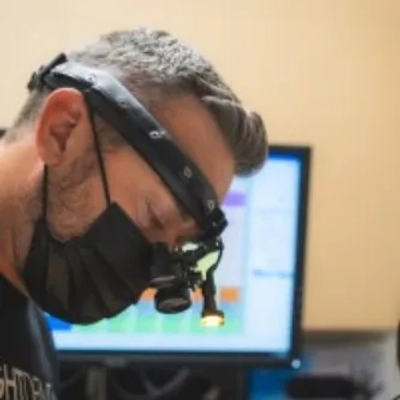 Justin Wright, Founder & Clinical Director, Just Wright Dental and Implant Center
Question Evidence Critically
Learn to read evidence critically, and treat statistics as a core skill rather than a requirement to get through. In clinical practice I see how much harm comes from claims that sound scientific but would not survive a basic look at the study behind them: supplements, infusions and wellness protocols built on animal data or tiny uncontrolled trials. Biology graduates who can tell a strong study from a weak one, and explain the difference in plain language, are rare and valuable wherever they end up, whether in research, industry or clinical work.
The second piece of advice is to get close to real patients early, even through volunteering. Mechanisms make far more sense once you have seen what a disease or an addiction actually does to a person and their family, and that perspective will make you better at whatever scientific work you choose.
 Andrzej Kulesza, Co-Founder & Medical Director, Zeus Detox & Rehab
Choose Strong Supervision
During October recruiting, nursing and other healthcare students should look closely at the supervision and support available after orientation, not just the employer’s name, compensation, or signing incentives.
A useful question is who provides support when a new employee is unsure how to proceed, how escalation works, and what happens when the usual supervisor or preceptor is unavailable. Clear answers can help students understand how the organization handles supervision, coverage, and decision-making in practice.
New healthcare professionals should know when to ask for help, stay within the scope of their role, and understand the organization’s escalation process. Choosing a first job with clear supervision and reliable support can help build confidence and sound professional habits early in a healthcare career.
 Joshua Zeises, BBA, CEO & CMO, Paramount Wellness Retreat
Protect Your Emotional Well-Being
Shebna N. Osanmoh, PMHNP-BC, MSN, board-certified psychiatric nurse practitioner with over 15 years of clinical experience specializing in mental health treatment and patient care.
For students stepping into nursing and healthcare fields during the peak autumn recruitment season, my top piece of advice is to prioritize emotional resilience and self-care boundaries right alongside your clinical skill development. Healthcare environments demand immense physical and emotional energy, and learning how to protect your own mental well-being early on is just as vital as mastering technical medical protocols. By building strong support systems and boundary-setting habits now, you ensure a sustainable, long-term career where you can care for others without losing sight of your own health.
 Shebna N Osanmoh, Psychiatric Nurse Practitioner, Savantcare
Document Experiences for Interviews
The month of October is an excellent opportunity for nursing/healthcare students to begin thinking about the type of professional they wish to become, rather than just how they will secure employment. Employers are seeking students who can communicate effectively, work collaboratively with others, maintain composure under stress, and demonstrate true compassion towards their patients. All of these attributes can be shown through clinical rotations, volunteer activities, participation in campus organizations/clubs, and/or working on campus (part-time). Every clinical experience should be viewed as part of one’s professional development. The individuals who supervise your clinical experiences may serve as future references/connections.
A very practical approach to demonstrating your skills in an interview is to document your clinical experiences in some format — such as a difficult patient interaction that was resolved; a difficult group experience that was resolved; or a situation where you had a significant role in resolving an issue. This documentation will provide you with better evidence of being a hard worker, a good teammate, etc., when asked about these qualities in an interview. You should also research the organization prior to the interview so you know what types of patients they serve, what their values are, and what they expect from employees. Professionalism in healthcare begins many months before you ever begin work at the organization.
 Michael McMahon, Ed.D, Vice President of Enrollment Management, Saint Mary’s University of Minnesota
Gain Hands-On Experience
Get real hands-on experience before you graduate, not just good grades.
Healthcare resumes often show high GPAs, but no real patient experience. Good grades are important, but they are not enough. To succeed in healthcare, you also need practical skills and experience outside the classroom.
To help students build their skills outside of the classroom, I suggest:
1. Volunteering at local healthcare facilities to gain experience working with patients. This experience will help develop the skills necessary to succeed in the field and will supplement what is taught in the classroom.
2. Requesting from professors or other university personnel, healthcare-related job shadows to observe nurses and other staff members in a work setting.
3. Taking courses to gain additional certifications, like first aid, CPR or other similar trainings that will help you during your first few years in the field.
4. Talking to practicing nurses about the most shocking things they learned on the job.
The most important things employers in this field are looking for are your experience and your compassion towards patients. After developing these skills, be sure to include these things on your resume!
 Jan Lutz, Director HR | co-founder, Physical AI Jobs
Master One Clinical Procedure
I tell every student rotating through my practice to chase procedural reps before they chase a specialty label. I hired two physician assistants last year, and the one who stood out had spent her externship logging suture counts and laser settings in a notebook, not just shadowing. Track your numbers. Employers in dermatology and cosmetic surgery hire people who can already talk fluently about injection depth, laser fluence, or wound healing timelines, not people who list “patient-centered care” on a resume. Pick one procedure or clinical skill during school and get genuinely good at explaining the mechanism behind it, not just the steps. I ask every candidate one question in an interview. Walk me through a complication you watched happen and what the attending did next. Students who freeze on that question haven’t been paying attention in clinic. Students who answer it with specifics get the job. Build that story now, while you still have access to a supervising physician who will let you ask why.
 Dr. Cameron Rokhsar MD FAAD FAACS, Founder & Medical Director, New York Cosmetic Skin & Laser Surgery Center
Pursue Specialized Procedural Mentorship
Having built a specialized surgical practice in New Jersey and performed over 3,000 facelifts, my top advice for healthcare and nursing graduates is to target employers that offer structured pathways for niche clinical training and advanced procedural mentorship. Committing to mastering a refined craft early on will set you apart much faster than remaining a generalist.
In my practice, our aesthetic nurse practitioner, China Battista, built a standout career by developing specialized expertise in emerging modalities like regenerative therapies and advanced injectables, which led to her educating clinicians nationwide.
During fall recruitment interviews, ask prospective employers specifically about their continuing education support and opportunities for hands-on skill development. Aligning with mentors who invest in your technical precision is what turns an entry-level healthcare role into a distinguished, high-impact career.
 Mark Karolak, Surgeon, Karolak Facial Plastic Surgery
Earn Trust Through Listening
With the hiring season in October in full swing, it’s good to remember that employers want to hire doctors who put their patients’ needs first. A recent survey has shown that employers consider trust, just as highly as technique. Nearly two-thirds of the 390 hospital hiring leaders surveyed in 2025 said that while new medical graduates may be able to pull information from a textbook, they fall short in real-life situations that can be unpredictable.
Patient-facing experience is key to making sure you’re hired and should be one of the first things noted on your resume. While GPA still counts to get past the pile of resumes, trust can set you apart from the rest. Procedures can be taught, but the habit of listening can’t.
During my Internal Medicine residency at the University of Virginia School of Medicine, I rotated through the Veterans Hospital Medical Center located in Salem, VA. There, I took the time to sit down with patients and listen to their concerns. At the end of my rotation, a veteran asked me to continue being his doctor. He even wrote a letter to his state senator. Patients may not remember every detail or understand all of your medical jargon, but they will appreciate being made to feel safe and cared for.
 Dr. Eleonora Fedonenko, Doctor of Medicine, Your Laser Skin Care
Protect Your Body
Students learn every drug dose and anatomy piece over the course of their four years of schooling but never learn about their own bodies. Which makes sense because there is so much information to learn. But as nurses and dental hygienists, we will suffer from sore necks and cranky lower backs for years to come. No one gives you extra spinal cords when you graduate. Standing on those cold hospital floors for 12 hours will take its toll. Multiply that by three days a week for 30 years…
My advice for all you students this October is to take care of your body. It’s going to be the most expensive investment you will make in your life. Ask about lift equipment on job tours, adjustable stools and whether they use them frequently. As a dental student, buy loupes. Yes, they are expensive, but you will need them for the rest of your career, about 40 years. It’s worth it when you’re trying to pay off loans that start six months after you graduate.
 Dr. Jonathan Wong D.D.S., M.S., Owner and Endodontist, Renovo Endodontic Studio
Line Up Strong References
During October recruiting, nursing and other healthcare students should secure a relevant professional or clinical reference before employers begin asking for one.
A strong reference may be an instructor, preceptor, supervisor, or other professional who directly observed how the student handled feedback, respected confidentiality, communicated concerns, and responded professionally in challenging situations.
Students should ask potential references in advance whether they are willing to serve, then provide a resume, the job description, and a brief, non-confidential reminder of the work they observed. Do not include patient information or other confidential clinical details.
Giving references clear context can help them provide a more accurate and relevant assessment during the hiring process.
 Michael Schaub, MHA, CEO, Aura Recovery Center
Voice Clinical Concerns
I encourage students in the health care field to get comfortable voiceing their concerns when they see an issue. In pharmacy, you are taught that it is better to ask about a dose than to give the wrong dose. You are also taught that it is better to ask about a drug combination than to assume the combination is acceptable. The person on the case or team who is asked the least is sometimes the person who notices an issue that the rest of the team is blind to. In order to gain confidence for this type of role, you need to ask clinical questions during your clinical rotations. Once you gain the confidence to do this, practice asking at least one clinical question during each of your clinical shifts. Managers are comfortable giving you patient care responsibilities once they see that you are able to speak up in a calm and composed manner.
 Pharmacist Jane Moon, Pharmacist & Director, Herba Health Inc.
Arrive Ready and Market-Savvy
I’m O’tejiri, founder of Arizona Nursing Programs (ArizonaNursingPrograms.com), where we track the nursing pipeline and job market for students entering the field.
A few pieces of advice for nursing and healthcare students heading into recruiting season:
1. Lead with your clinical placements, not just your GPA. Employers hiring new grads care most about where you did clinicals and what you’re competent in. Treat every rotation like a months-long interview — the unit that trains you often becomes the one that hires you.
2. Get your paperwork ahead of the offer. The students who get hired fastest already have their background check, fingerprint clearance card, immunizations, BLS certification, and license application in motion. Employers move on candidates who are ready to start; don’t let paperwork be the delay.
3. Know your market’s numbers. Demand is real — nursing roles are projected to grow sharply this decade — but pay and requirements vary. Walk into interviews knowing the going rate and whether the employer prefers or requires a BSN, so you can negotiate and target well.
4. Don’t overlook the ladder. Some of the best long-term outcomes start with an associate degree (ADN) or even a CNA role to get hired and get experience, then an employer-funded RN-to-BSN. You don’t have to have the most expensive credential on day one to build a strong career.
5. Cast a wide net beyond big hospitals. New grads often fixate on major hospital systems, but clinics, long-term care, home health, and rural facilities frequently hire new grads faster and offer strong mentorship — and rural/underserved roles often come with incentives.
The through-line: be ready, know your numbers, and think in terms of a career ladder rather than a single first job.
— O’tejiri Iweta, Founder, Arizona Nursing Programs
 O’tejiri Iweta, Founder, Arizona Nursing Programs
Exhibit Role Awareness
Nursing and healthcare students should focus on showing sound judgment, communication, and awareness of professional boundaries rather than relying only on a list of clinical rotations.
A strong example can use a fully hypothetical or simulated clinical scenario to explain how a student might recognize a change in a patient’s condition, escalate the concern to the appropriate clinician, document actions clearly, and stay within the limits of the student role.
When discussing difficult interactions, students should describe observable behavior and the safety or communication issue involved rather than labeling the patient. They can then explain how they would adjust their communication, seek supervision when appropriate, and connect those decisions to the responsibilities of the role.
This demonstrates judgment, professionalism, respect for patient dignity, and readiness to learn without relying on identifiable patient information.
 Matthew Marshall, Program Director, Marietta Springs
Connect Across Disciplines
1. Learn to communicate with people outside your own profession.
Healthcare today is very much a multidisciplinary endeavour. As a healthcare professional, you will interact with people from a range of areas, not just patients but business professionals, product teams, engineers, etc. who may approach the same problem very differently. Being able to communicate your clinical requirements in a way that others (without medical/health training) can understand and deliver will be a regular part of your role. Students who develop these skills will have far more career opportunities available to them.
2. Don’t assume your first healthcare role has to define your entire career.
A career in healthcare can take many forms that students often aren’t aware of when pursuing a degree in healthcare. My own career has taken forms in digital health, medical education, and product development, beyond my clinical and research work. Develop your clinical skills to the fullest, but don’t forget to take an interest in other areas where you may be able to address critical health issues in society.
 Kseniia Zarubina MD, PhD, Product & Project Manager, Eximion
State Credential Timelines Clearly
If the role accepts applicants who are still completing required credentials, applying early can be appropriate as long as the applicant clearly states what is complete and what remains. Include the graduation date, licensure or certification exam dates, clinical requirement completion date, and expected start date when those details are known.
Do not leave a credential status as simply “pending.” Instead, state exactly what has been completed, what is still in progress, and the expected timeline.
Keep application documents organized and follow each employer’s submission instructions carefully. Sensitive records should be sent only through the employer’s approved process or system.
A useful interview question is: “What must be completed before an offer, and what can wait until my start date?” The answer can give you a sense of how clearly the organization manages onboarding requirements and timelines.
In healthcare, administrative reliability can support professional readiness and help make the onboarding process smoother.
 James Scribner, B.S., Co-Founder, The Freedom Center
Keep Career Options Open
Don’t lock into one specialty too fast. Going from BSN to nurse practitioner or leadership roles lets you pivot when healthcare shifts and chase new areas like fertility or regenerative medicine. Students I’ve mentored who built on their core knowledge over time were happier than those who rushed into a fixed track. Use this hiring season to ask about career development and education. It matters.
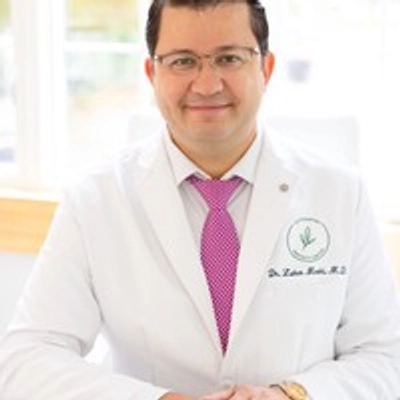 Zaher Merhi, Founder & Medical Director, Board-Certified OB/GYN & Reproductive Endocrinologist, Aurea Fertility Center
Prevent Burnout From Day One
The best advice current and future healthcare specialists can benefit is approaching burnout prevention as a professional skill from day one.
Medical students gain extensive knowledge about patient care but often learn little about the cumulative impact of ongoing work like burnout. It develops gradually due to long hours, emotionally intense cases, and limited opportunities to process experiences. Early signs include irritability, detachment from patients, sleep difficulties, and a loss of meaning in the work.
Recruitment season offers you leverage, so use this time to ask each potential employer specific questions.
1)What sort of supervision or mentoring do new graduates receive in their first year?
2)Are there any debriefs or supervision retro sessions after difficult cases or after a patient dies?
3)What is done about workloads and the scheduling?
4)What kind of mental health support is available for staff?
Both general answers and particular ones convey information.
Set habits of your own from the beginning, since they are easy to establish at that stage; keep your personal relationships separate from work and ask for help before you actually need it. Seeking advice from a supervisor or a counsellor is something that contributes to carrying out your job well in the long run and does not mean that you are unable to cope.
The most experienced doctors in this area aren’t those who have never had difficulties; rather, they are the ones who have planned for such difficulties.
 Sarah Couture, Clinical Director, Rubicon Mental Health
Seek Mentors, Not Prestige
Choose your first work environment based on what you will learn there, not your salary, title, or the organization’s prestige. Good supervision and strong colleagues can significantly shape your professional development in the early stages of a healthcare career.
Learning medicine and nursing requires much more than knowing clinical information correctly. Learning when to seek another opinion, communicating effectively with patients and families, and working effectively within interdisciplinary teams are all important skills. I would look for an organization that has experienced clinicians who are willing to teach, encourage questions, and provide collaborative care. These habits will follow you throughout your career.
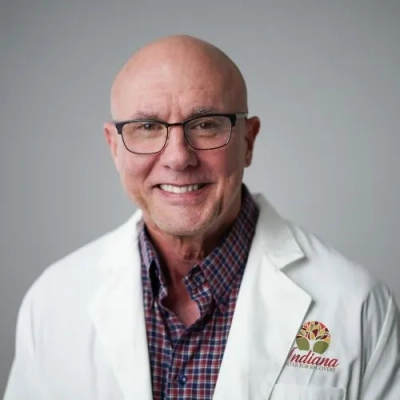 Michael Kane, Chief Medical Officer, Indiana Center for Recovery
Pursue Opportunities Before Dream Jobs
Though we all have our dream job when we are first starting out, my advice would be to focus on getting experience first by going to where the jobs are at. When we are in school, we usually have a distinct idea of where we want to end up on our career path, but like the old saying, you cannot get to the top of the ladder without hitting any of the rungs.
Therefore, it is important to concentrate on developing your skills and learning the system as quickly as possible by placing your energy in going to where the opportunities are available, rather than waiting for the ideal position. Even if that means temporarily relocating. By focusing on gaining experience first, you will be able to put yourself in a better position to get your dream job later.
 Robert Applebaum, CEO & Plastic Surgeon, Beverly Hills Breast Reduction Center
Commit to Lifelong Learning
My career advice for those who are majoring in nursing and other healthcare fields is simple, never stop learning. Seek out mentorship programs, shadow senior staff, and continue learning.
Working in healthcare means that you will be a lifelong learner. New medicines are discovered constantly, as well as new procedures and methods. So always look for opportunities where you can learn. Gaining experience as you go.
Remember, you are working with people, not just patients. And the more chances you get to interact with people in different environments and settings the better you will become at your job.
It is one of the most rewarding careers out there, but is demanding both physically and mentally. So always make sure that you look after yourself just as well as you look after your patients.
 Jackie Daniels LCSW,, Director of Clinical Development, Indiana Center for Recovery
Share Stories of Sound Judgment
I’m Shaun Steingold, CEO of HealthiCare, and I recruit and evaluate healthcare talent regularly as part of building a clinical and operational team that actually delivers on patient outcomes.
I interviewed two nurses the same week a few years back. They came from the same program, had similar GPA ranges and held the same certifications. However, there was one critical difference between these two nurses that led me to offer the position to the second nurse I interviewed.
To each and every question I asked, the first nurse answered nicely and correctly. Almost as though she pulled each answer straight out of a textbook. During the interview I asked the second nurse to tell me about a time during her clinical rotations when she ran into a problem. She almost sheepishly replied: “So um, one of the patient’s vitals did not match what was written on his chart, so I reported it and then I stayed by his side until someone came to check on it.”
See, the story was unpolished. There was no situation, action, result. There was no framework, yet I could tell from her story that when it came down to it, on the floor, alone, she would be fully aware of her surroundings, think outside the lines and do the right thing. This is the type of employee I (and thousands of other employers) am looking for. October is the peak season for hiring nurses and employers know that they need their new hires to hit the ground running within 60-90 days. Sure, your credentials got you in the door and landed you an interview, but showing that you are able to think outside the box in situations where the unexpected happens is what will help you to land the position now vs. landing one come spring.
This month as you’re heading into your first interviews, I challenge you to think of two to three true to life stories from your clinical rotations where something unexpected occurred. Think about what you did and the results of the situation.
 Shaun Steingold, Weight Loss & Digital Health Innovation | CEO, HealthiCare
Showcase Rotational Breadth
As the founder of KindMind Behavioral Health, I’ve hired a lot of clinicians – PMHNPs, PAs, LMSWs, LPCs – and I can tell you that October recruiting season rewards the candidates who already understand how clinical settings actually operate, not just what they learned in class.
The single biggest differentiator I see is candidates who can speak specifically to their clinical rotations. Our prescriber Ahron Snyder stood out because he completed rotations in both community mental health AND outpatient psychiatry across multiple age groups. That breadth signals adaptability, which every employer is looking for right now.
Don’t undersell your research or non-clinical experience either. Published research, healthcare administration coursework, even a background in a completely different field – these things show you bring a fuller perspective to patient care. John Riley’s background in healthcare administration before his clinical training is exactly the kind of story that makes a candidate memorable in an interview.
Finally, ask employers directly about their training and growth culture during interviews. At KindMind, we explicitly invest in ongoing clinical training because we know nobody walks in on day one with every skill they need. Employers who share that philosophy are worth prioritizing – the ones who don’t will burn you out fast.
 Michael Nadhir, Founder & CEO, KindMind Behavioral Health
New Job Postings
Advanced Search
