Career Advice for Job Seekers
13 important things information systems and MIS majors should do now to help their 2026 job search


June is a critical month for Information Systems and MIS majors graduating in 2026 to gain a competitive edge in their job search. This guide compiles 13 strategic actions backed by insights from career advisors and industry professionals who understand what employers actually value. From mastering technical skills to building tangible project portfolios, these targeted steps will position candidates for success when recruiting accelerates in the new year.
- Build A Small Efficiency Prototype
- Lead A Cross Timezone Collaboration Project
- Earn A Targeted Remote Security Certification
- Ship Unsolicited Fixes To Prospect Teams
- Refresh LinkedIn And Message Company Insiders
- Study Buyer Psychology And Diagnose Pain
- Research Fit And Tighten Career Narrative
- Control Page One With A Personal Site
- Prepare Two Clear Impact Outcome Stories
- Deliver A Procurement Savings Portfolio Analysis
- Choose A Domain And Learn Its Problems
- Master SQL And Python Through Daily Practice
- Run A ROI Implementation Case Audit
Build A Small Efficiency Prototype
One of the most intelligent things information systems and MIS majors can do now is to create a project that introduces technology to business performance, resulting in a dashboard, automation tool, or workflow prototype. These projects demonstrate that you can develop technical competencies with real-world efficiency, which is precisely what employers in this industry are looking for.
The initiative and knowledge applied can be demonstrated even with a basic inventory tracker or sales pipeline workflow automation using Airtable, Power BI, or Zapier. Write about the project, post it on LinkedIn or your portfolio, and refer to it during the interview in early 2026.

Lead A Cross Timezone Collaboration Project
MIS folks, now is a good time to lead a group project. Use tools like Asana or Teams to manage things. When I’m hiring, I can tell who’s done this before. If you can talk about working with people in different time zones, you’re already ahead. It gives you something real to talk about in those 2026 interviews.

Earn A Targeted Remote Security Certification
I’ve been running Titan Technologies since 2008 and speaking at places like West Point and the Nasdaq, and here’s what nobody tells IS/MIS grads: now is when you need to get certified in something specific that’s actively under attack right now. Not generic stuff–I mean the exact vulnerabilities keeping CIOs up at night.
Right now, that’s remote work security infrastructure. When I work with companies in Central New Jersey, 90% of their breaches come from human error in remote setups–bad VPN configs, weak endpoint protection, unsecured mobile devices. If you can walk into an interview in January and say “I just got certified in MDM solutions” or “I can audit your remote access policies,” you’re solving their actual December problem.
Here’s the move: Pick ONE security certification you can knock out this month (many have accelerated programs), then write a brief audit of your target company’s public-facing remote work setup. I’ve seen this work because when someone shows me they already understand MY specific security gaps, I don’t need to waste time wondering if they can do the job.
The companies hiring in 2026 are dealing with remote work vulnerabilities RIGHT NOW. Be the person who already speaks their current language, not someone who’ll need six months of training to understand what’s broken.

Ship Unsolicited Fixes To Prospect Teams
I run three companies, including a digital agency, and the biggest mistake I see grads make is treating their portfolio like a resume instead of a proof-of-work document. When we hired for a full-stack role last fall, the winner showed us a GitHub repo where they’d rebuilt our competitor’s broken mobile navigation–unsolicited, just because they noticed it was costing them conversions.
now is when agencies like mine are locking in Q3 projects but realizing our teams are stretched thin. We recently took on The New York Sun’s full redesign, and the thing that nearly killed our timeline wasn’t scope–it was waiting on a junior dev to learn our CMS mid-project. If someone had reached out in May showing they’d already taught themselves our stack by reading our case studies, they’d have started by now.
Here’s what I’d do right now: pick 5 companies in your city hiring MIS roles and audit one technical thing they’re doing poorly. For us, it was site speed killing SEO rankings before holiday traffic. Don’t just identify it–document the problem with screenshots, write up the two-sentence fix, and email it to their dev lead or CTO with “noticed this might be costing you sales.” Half won’t respond, but one will ask when you can start.
The June advantage is that you’re solving problems while everyone else is sending cover letters. By fall, when hiring kicks in, you’re already the person who helped them, not another applicant.

Refresh LinkedIn And Message Company Insiders
They should update your LinkedIn profile and start messaging people who work at companies you want to join.
Many companies do their recruitment in the fall for positions in next spring. Try to avoid competing in the new year – take advantage of the break and start now.
This is how:
1 – Ensure your LinkedIn profile is in good shape. Be sure to include your school projects, any coding and/or systems work you have experience with and the software, SQL, and database management skills you have.
2 – Identify 20 companies you would really like to work for. Identify people of the company who hold positions in information systems and IT.
3 – Send them messages that are of good rapport, for example: “Hi, I am graduating soon with an MIS degree. I really appreciate the work your company is doing. Would you please spare 15 minutes to give me some direction on how to get into this area?”
4 – Most people are happy to help learners, and although they may not have positions to fill, they may have contacts who do.
Companies fill their positions with people they know and have built trust with. Having these conversations now means you will be at the front of their mind when they want to fill those positions in January.

Study Buyer Psychology And Diagnose Pain
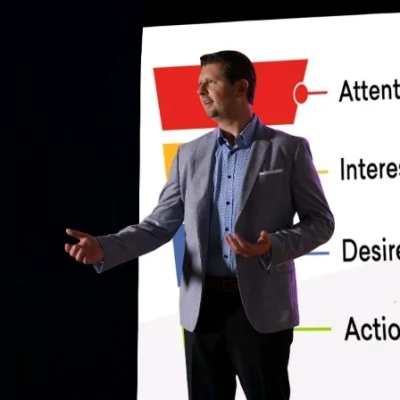
I’ve watched hundreds of MIS grads struggle because they treat their technical skills like the product, when really *understanding human behavior* is what separates a good hire from someone who sits unemployed. After 25+ years building CC&A and working as an expert witness on digital systems, here’s what actually matters: spend June learning the psychology behind why companies make buying decisions–because that’s exactly how hiring works too.
When I keynoted with Yahoo’s CMO in New York, the companies that succeeded weren’t the ones with the best algorithms. They were the ones who understood *why* users clicked, stayed, or bounced. Same with you getting hired–hiring managers don’t pick the person with the best SQL skills. They pick whoever makes them feel confident the problem will actually get solved.
Here’s your June action: pick three companies and audit how their systems *emotionally* frustrate customers (slow checkouts, confusing dashboards, whatever). Document one specific pain point and the behavioral principle behind why it’s costing them money. That’s not a resume–that’s a conversation starter that proves you think like someone who drives revenue, not just maintains databases.
I’ve testified as an expert witness on Google search results and reputation management. The technical stuff? That’s table stakes. What got me in those courtrooms was showing I understood how people *react* to what they see online, not just how the algorithm works. Make yourself the candidate who gets human behavior, and you’ll have offers before your classmates finish editing their cover letters.
Research Fit And Tighten Career Narrative
When hiring activity slows and decision-makers are out of office, MIS and information systems majors should shift from chasing interviews to doing targeted company and role research.
Few candidates take the time to understand which companies match their skills and effectively communicate that fit, but that’s the real differentiator. A focused cover letter connecting your recent experience, coursework, and projects to the role helps you stand out among hundreds of applications.
This becomes especially important because curriculum varies widely. Some programs emphasize operating systems, data structures, and programming fundamentals; others lean toward UX or application development. The result is that many graduates step into the market with scattered coursework and shallow projects, making it hard for employers to see a clear trajectory.
I recently reviewed a resume from a student with classes in software engineering, AI, cloud, and data structures, yet no substantial projects and no clear direction. He couldn’t distinguish cloud architecture from a Windows application. The fix is to decide early where to focus, then align your coursework, projects, and internships around it. If you want to work in cloud, build competence in Linux, networking, operating systems, and a practical language like Python.
June gives you the space to tighten your narrative. This preparation is what puts you ahead when hiring ramps back up in the fall.

Control Page One With A Personal Site
I’ve spent 15+ years managing reputations for executives and watching careers get derailed by Google results they didn’t even know existed. For MIS majors specifically, now is when you need to audit what hiring managers will actually find when they search your name–because 70% of employers research candidates online before interviews.
Here’s what matters: Google yourself right now in an incognito window. If the first page shows old gaming forums, controversial Reddit comments, or just nothing at all, you have a problem. I’ve seen qualified tech candidates lose offers because page one showed a 2019 argument about cryptocurrency or a Glassdoor rant they forgot about.
The move: claim your name as a domain and put up a simple one-page site with your skills, projects, and LinkedIn. It’s not about being fancy–it’s about controlling that first search result. When Delta’s crisis cost them $550 million partly because they couldn’t control their narrative fast enough, it reinforced what I already knew: whoever controls the information wins.
Set up Google Alerts for your full name today so you know what’s being said about you before interviews start back up in the fall. The candidates who get hired are the ones whose online presence makes the hiring manager’s job easier, not harder.

Prepare Two Clear Impact Outcome Stories
They should use June to sharpen the practical examples they can talk about in interviews, especially anything that shows how they’ve improved a workflow, cleaned up data, or made a system easier for people to use. Employers want to see how you think, not just the tools you know. In our plumbing shop, the tech roles that stand out are the ones who can point to a small fix they made, like smoothing out a scheduling bottleneck or tightening data entry so jobs move faster.
A good step is to pick two projects from school or internships and write a short, clear summary of the problem, what you did, and the result. Share those summaries with a friend and ask if they’re easy to follow. When you enter January with crisp stories and a grounded sense of your strengths, it’s easier for hiring managers to picture you fitting into their team.

Deliver A Procurement Savings Portfolio Analysis
I manage $2.9M in marketing spend across a portfolio of 3,500+ units, and here’s what actually gets people hired on my team: show me you can turn messy data into money-saving decisions before fall budget meetings happen.
In June, build one portfolio analysis that solves a real procurement problem. I slashed our marketing budget by 4% while maintaining occupancy by analyzing historical ILS performance data and reallocating spend before Q1. When I interview candidates, I’m looking for people who already understand our vendor contracts expire in Q4 and renewal decisions happen in December–show up with a spreadsheet comparing three competitors’ pricing models for any major software system (CRM, property management, cybersecurity) and you’re immediately more valuable than someone with just certifications.
When systems break and nobody’s around to fix them. I used Livly feedback data to catch patterns that 30% of move-in complaints were about the same appliance issue–we filmed FAQ videos and fixed it before lease-up season. Find one company’s customer complaint pattern from their social media or app reviews this month, document the system gap causing it, and email their hiring manager with a 3-bullet fix. That’s the project they’re budgeting headcount for.

Choose A Domain And Learn Its Problems
Pick a specific area like health-tech and learn it. When we hired last year, the people who caught our attention were the ones who could connect their MIS skills to actual problems in a field like healthcare. You don’t need to be an expert tomorrow. Try shadowing someone in that industry or watching their webinars. It shows you’re ready to do real work, and that’s what gets you hired.

Master SQL And Python Through Daily Practice
Learn more about SQL and Python than what your studies taught you. Complete all of the exercises in a DataCamp or Codecademy course. Most MIS graduates can’t access databases or automate simple activities, even though their careers now focus on data. Employers want you to know this, but college doesn’t often go into detail about it.
You should practice on HackerRank or LeetCode for at least 30 minutes per day. A lot of technical interviews entail live coding, and if you mess up basic joins or loops, you’re out of luck. I have turned down individuals with high GPAs who couldn’t create a basic SELECT statement. The MIS industry isn’t as solid as computer science; thus you need to have good technical skills to stand out. After a month of regular practice, interviews are much less stressful.

Run A ROI Implementation Case Audit
By implementing a self-directed ROI and Case Study Audit of a System Implementation, you are demonstrating that you have the skillset necessary to support your understanding and application of financial decision-making. June is a pivotal month for the majority of all organizations when they are finalizing their First Half Financial Reporting and subsequently creating their budgets for Q3 with regard to the impact of the implementation of Information Systems on the overall effectiveness of their organizations. Through the use of public records combined with hypothetical ROI quantification, this gives the candidate the ability to show bridging between Technical and Financial capabilities. Hence, this positions the candidate from being a theoretical analyst to being an executive-level Strategic Thinker, whereby the true value of any implemented Information Systems is determined by the financial impact and results of the information systems, whereas previously the value was primarily reflected by the Technical Sophistication of the Information System.

New Job Postings
Advanced Search
